
About the Stream
The public health ethics, law and policy stream of AABHL aims to encourage discussion of ethical, legal and policy issues relating to all aspects of public health. This has been a growing area of academic interest, especially over the last ten years.
Relevant topics include ethical, legal and policy issues relating to: infectious disease, chronic disease, ‘lifestyle choices,’ environmental impacts on health, pollution, socio-economic determinants, health systems, indigenous health, migration, climate change, prevention and population approaches to health and diagnosis, health and welfare etc. We are particularly keen to involve early career researchers in this stream and ensure that the developing activities in public health ethics, law and policy within the region are strengthened in the future.
Current stream leaders invite you to contact them via email to help shape the future directions of this stream: [email protected]
Upcoming Event:
Just Transitions in Global Health – Pressing Problems and New Developments
Event Details:
The Public Health Ethics, Law and Policy Stream is pleased to launch a new Lunchtime Webinar Series. The first webinar will be on Wednesday September 23rd at noon Sydney time (2 pm in Wellington and 9 am in Singapore) via Zoom. Join us for presentations from our speakers Susan Bull and Calvin Ho, and a lively discussion.
The webinar will run for one hour, but we’ll keep the meeting room open for another half hour afterwards, for people who want to chat further about the issues raised. Hope you can join us!
To register for this event please click here.
If you have any questions or concerns, please contact Elizabeth and Chris at [email protected]
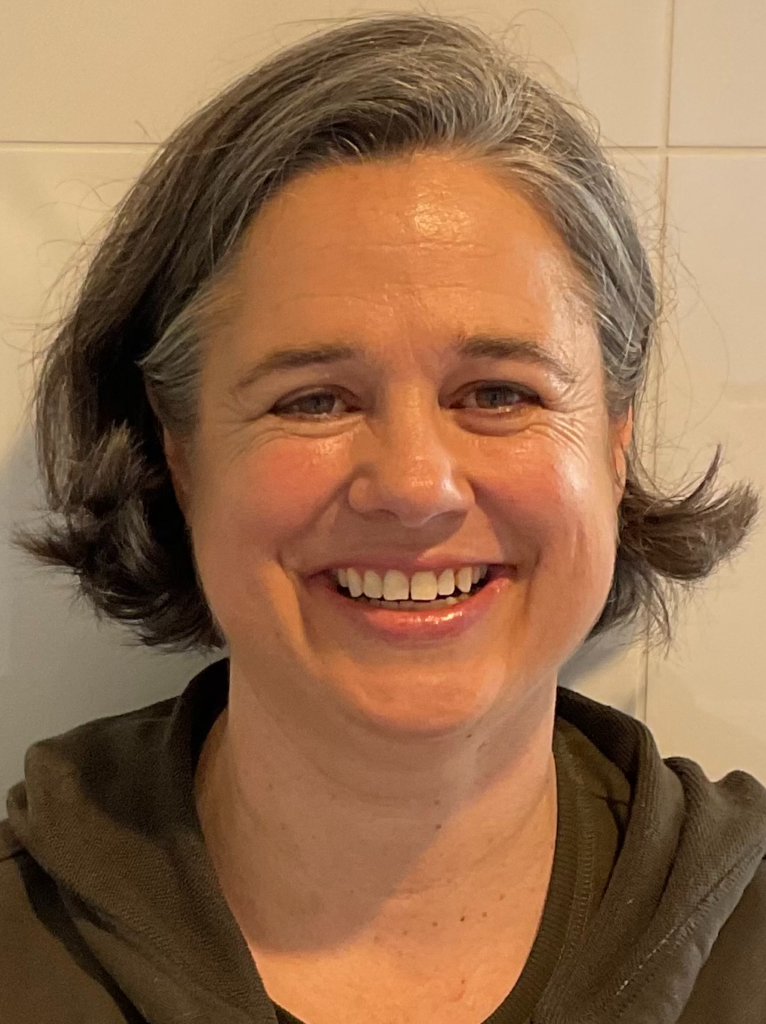
Susan Bull
Talk Title: How should we conceptualise Just Transitions in the context of the super-wicked problem of anti-microbial resistance (AMR)?
Description: Current dominant biomedical framings of AMR centre on human-microbe conflict and stewardship of pharmaceutical solutions, perpetuating neo-liberal economic priorities, and paradoxically framing AMR as a problem of connectedness to be solved by individualised action. Such accounts have the capacity to motivate government action – but as they do not engage with the profound structural inequities driving and perpetuating burdens of AMR, they cannot promote Just Transitions. Just Transitions in AMR require us to reconceptualise AMR and AMR responses in ways which recognise and respond to structural drivers and, furthermore, our moral responsibilities to live more sustainably with microbial ecosystems within planetary boundaries.
Bio: Susan Bull is an Associate Professor of Medical Ethics at Waipapa Taumata Rau | University of Auckland. Her research interests centre on global and national health, with a focus on justice and inequities, and the exercise of power. This presentation reports on research funded by the British Academy’s Global Convening Award for A Just Transitions framework for equitable and sustainable mitigation of AMR.
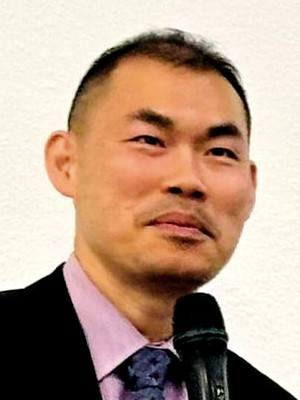
Dr Calvin Ho
Talk Title: How a Just Transitions Framework could contribute to negotiations on the WHO Pandemic Agreement Annex
Description: The WHO Pandemic Agreement endorsed by the 78th World Health Assembly in 2025 seeks to ensure that global health measures directed at preventing, preparing for and responding to a public health emergency are consistent with the requirement of equity. However, its formal opening for signature and entry into force remain on hold at the 79th World Health Assembly this year, as negotiations are continuing over the final operational details of the Pathogen Access and Benefit-Sharing (PABS) system to be set out in an annex to the agreement. In this presentation, I will first provide an update on the main provisions that are proposed for the PABS system at the 79th World Health Assembly. I will then introduce the Just Transitions for antimicrobial resistance (JTAMR) framework that has been proposed by the JTAMR Working Group. Finally, I will explain how the JTAMR framework could contribute to ongoing negotiations to finalise the PABS Annex.
Bio: Dr Calvin Ho is Associate Professor with the Faculty of Law at Monash University in Melbourne (Australia), Research Fellow of the Centre for Medical Ethics at the University of Hong Kong, Associate Member of the Centre for Genomics and Policy at McGill University (Canada), and Fellow of the University of Cambridge (UK). His research is on global health law and ethics, and the governance of emerging health and biomedical technologies.
Past Events:
The Social and Ethical Dimensions of Screening – Old problems, new developments
Event Details:
Please join us on Zoom on Wednesday May 7th at noon Sydney time (2 pm in Wellington and 9 am in Singapore) for presentations from Dr. Brooke Nickel and John McMillan, and a lively discussion. The event features two presentations from our speakers (details below). The webinar will run for one hour, but we’ll keep the meeting room open for another half hour afterwards, for people who want to chat further about the issues raised. Hope you can join us!
To register for this event please click here
Find out more and download our event flyer here.
Meet the Speakers:

Talk Title: Misleading medical marketing on social media
Description: This timely talk will showcase recently published and planned research on how social media is relevant to the problems of overdiagnosis and/or overuse, and how we might best respond or regulate to reduce misleading medical marketing.
Bio: Dr Brooke Nickel (BSc Hons, MIPH, PhD) is a National Health and Medical Research Council (NHMRC) Emerging Leader Research Fellow in The University of Sydney School of Public Health. She is part of the Sydney Health Literacy Lab and Wiser Healthcare Research Collaboration. Her research focuses on evidence-based healthcare communication and decision making; the psychosocial impact of cancer diagnosis and treatment; and overdiagnosis. The work she has led (first/senior author) has been published in high impact international medical journals in the field including The BMJ, The MJA, JAMA and Lancet series and featured in international media including The New York Times, The Guardian, The Conversation and the ABC.

Talk Title: Informed consent and population screening.
Description: Most countries view consent as a precondition of population screening. What’s the value of informed consent to population screening? Is it about ensuring that people are adequately informed prior to deciding to start on a screening pathway?
Bio: John McMillan is a Professor at the Bioethics Centre at the University of Otago and has worked on a range on issues within bioethics. He is the author of The Methods of Bioethics: an Essay in Metabioethics (OUP 2018) and his most recent book is Methodological Issues in Neuroethics: The Case of Responsibility (CUP 2024). He recently completed a seven year term as Editor in Chief of the Journal of Medical Ethics.
Stream Leaders
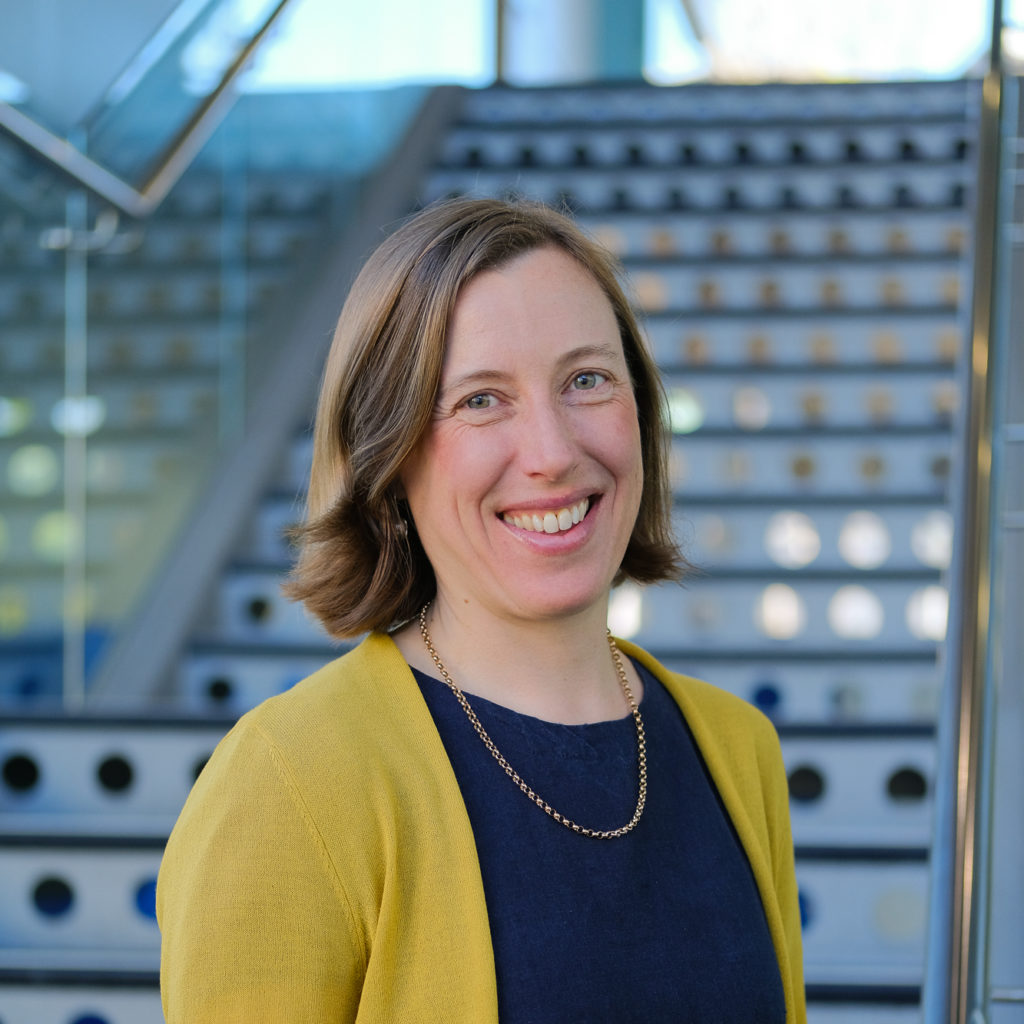
Elizabeth Fenton
Stream Leader
Elizabeth is a senior lecturer in the Bioethics Centre at the University of Otago with a background in philosophy and public health. She was previously a fellow in the Program in Ethics and Health at Harvard University, and a senior policy and research analyst at the U.S. Presidential Bioethics Commission under the Obama administration. Her research focuses on ethical issues in public health, global health, and health policy.

Chris Degeling
Stream Leader
Chris is Associate Professor at the at the Australian Centre for Engagement, Evidence and Values at the University of Wollongong, Australia. As a social scientist and empirical bioethicist with a background in veterinary medicine – Chris’ research focuses on the intersection of public health ethics, public health policy, communicable disease control and One Health.